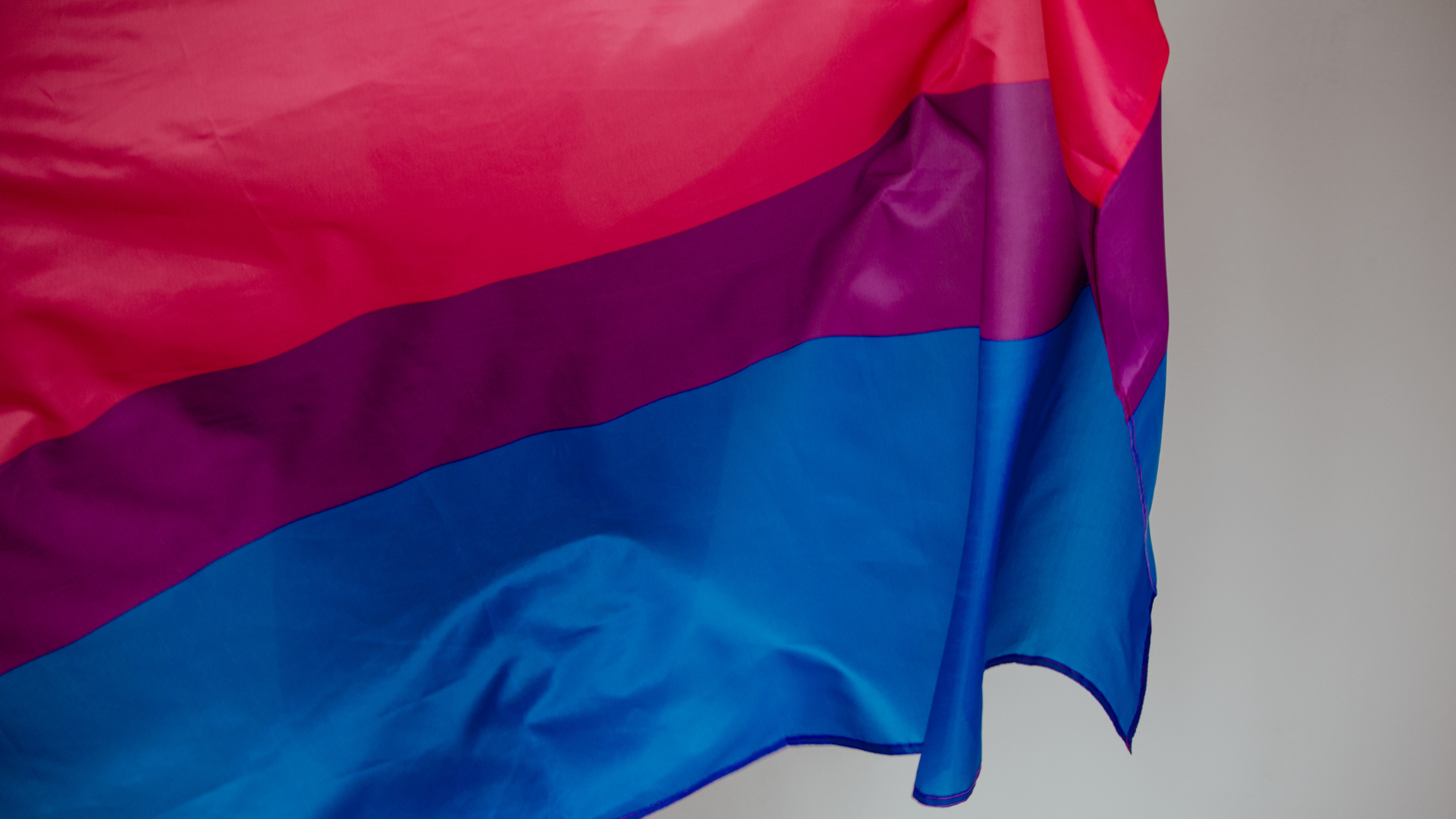
Imagine standing in front of a mirror, feeling a profound sense of disconnection with the person staring back at you. The reflection doesn’t quite match the internal experience of who you are and you’re asking yourself “Am I trans?”. This moment of curiosity about gender identity is familiar to many and is a deeply normal experience.
In this safe space, you’ll find guidance, understanding, and support as you navigate these important questions. Whether you’re asking yourself “Am I transgender?” or questioning if you’re gender fluid, or anywhere else on the gender spectrum, I’m here to help you embrace exploration, self-discovery, and pride.
In this article, we will cover:
- Am I Trans: Understanding Gender Identity
- How to Tell if You Are Transgender: Signs and Feelings
- Embracing Self-Discovery: Am I Transgender
- Embracing Pride in Your Identity
- Seek Professional Help: Why Reaching Out Can Make Things Easier
Let’s embark on this journey together. In this article, we’ll look at how people often begin exploring gender identity and the support available to you.

Am I Trans: Understanding Gender Identity
Gender identity is a deeply personal aspect of who we are. Unlike biological sex, which is assigned at birth based on physical characteristics, gender identity is our internal experience and sense of being male, female, both, neither, or somewhere along the gender spectrum.
Many people are familiar with the traditional binary gender roles of male and female, but the reality is far more diverse. Gender identity encompasses a wide range of experiences beyond the binary, including terms like genderfluid, nonbinary, and gender non-conforming. It’s essential to understand that gender identity, gender expression, and sexual orientation are distinct but interconnected aspects of who we are.
- Gender Identity: This is about how you internally perceive yourself and what you call yourself. Your gender identity can be the same or different from your sex assigned at birth.
- Gender Expression: This involves how you present your gender to the world through clothing, behavior, and personal appearance.
- Sexual Orientation: This is about who you are attracted to and want to have relationships with.
Learn more about how difficult it can be for gender-diverse folks to find their authentic voice in Understanding the Struggles of Gender-Diverse People.
Remember, your identity is valid, and exploring it is a courageous and important step toward living an authentic life. If you ever feel uncertain or need support, know that there are resources and communities ready to help you along the way.
A Gentle Place to Start
Download our free LGBTQIA+ Mental Health Toolkit—a supportive resource to help you check in with your mental health, explore your identity, and care for yourself without pressure or judgment.
How to Tell if You Are Transgender: Signs and Feelings
Recognizing and understanding your true gender identity can be a significant, sometimes challenging journey. For some, the realization of being transgender—a term for people whose gender identity is different from their assigned gender at birth—comes early in life. For others, it might unfold over many years. Here are some common signs and feelings that many transgender people experience:
1. Discomfort with Assigned Gender at Birth
One of the most common feelings among transgender individuals is a persistent discomfort with the gender they were assigned at birth. This discomfort can manifest in various ways:
- Feeling Out of Place: A constant sense of not fitting in with the gender roles and expectations associated with your assigned gender.
- Physical Discomfort: A feeling that your physical body does not align with your internal sense of gender. This might include distress about secondary sex characteristics such as facial hair, breast tissue, or the sound of your voice.
- Emotional Discontent: Experiencing emotional distress, anxiety, or depression related to your gender assigned at birth.
2. Desire to Be Recognized as Another Gender
Many transgender people experience a strong desire to be recognized and validated as the gender they truly identify with. This desire can be expressed in numerous ways:
- Using Different Pronouns: Preferring gender-neutral pronouns or those that align with your true gender identity.
- Adopting a New Name: Choosing a name that feels more authentic to your gender identity.
- Gender Expression: Experimenting with clothing, hairstyles, and other forms of gender presentation that align with your true gender.
3. Experiences of Gender Dysphoria
Gender dysphoria is a medical term used to describe the significant distress or discomfort that occurs when a person’s gender identity does not align with their physical body or societal expectations. Here are some common experiences of gender dysphoria:
- Mental and Emotional Strain: Feeling anxious, depressed, or agitated because of the mismatch between your experienced gender and your physical body.
- Physical Discomfort: A desire to change certain aspects of your body, such as through hormone therapy or surgeries, to better align with your gender identity.
- Social Dysphoria: Feeling distressed when others use incorrect pronouns or make assumptions based on your birth gender.
Gender pronouns play an important role in the journey of trans people towards authenticity and inner peace! Find out Why Gender Pronouns Matter.
Exploring and affirming your gender identity is a courageous and essential step toward living an authentic and fulfilling life. If you resonate with these signs and feelings, know that you are not alone. There are supportive communities and resources available to help you navigate your journey with compassion and understanding.

Embracing Self-Discovery: Am I Transgender?
Understanding your gender identity is not a race. It’s a process that unfolds uniquely for each person. There’s no need to rush to a conclusion or conform to a specific timeline. The goal is to find what feels authentic to you, which may involve trying out different identities and expressions along the way.
Practical Steps for Self-Discovery
- Journaling Thoughts and Feelings: Writing can be a powerful tool for self-discovery. Reflect on questions like, “How do I feel about my body?” and “What pronouns feel right for me?”. This process can reveal patterns and insights into your true gender identity.
- Trying Different Pronouns: Experimenting with different pronouns can help you understand what feels most comfortable. Whether it’s he, she, they, or another pronoun, trying them out in conversations with a trusted person can provide valuable feedback on your internal experience.
- Exploring Different Styles of Dress and Presentation: Gender expression is a vital part of understanding your gender identity. Trying out different styles of dress, hairstyles, and other forms of gender presentation can help you discover what aligns with your sense of gender.
Importance of Finding Supportive Communities and Resources
Connecting with others who share similar experiences can be incredibly affirming. Online forums, local support groups, and LGBTQIA+ community centers provide spaces where you can share your journey, ask questions, and receive support. Access to peer support is crucial, as it helps you feel less isolated and more understood.
- Transgender Support Groups: Many cities have community centers offering support groups for transgender people, where you can meet others and share your experiences.
- Online Forums and Social Media: Platforms like Reddit, Tumblr, and Facebook have groups and pages dedicated to transgender experiences and support.
- LGBTQIA+ Organizations: National and local organizations like the Human Rights Campaign (HRC) and The Trevor Project provide resources, support, and advocacy for transgender people.
- Books and Educational Materials: Reading books about transgender experiences can provide insight and validation. Titles like “Redefining Realness” by Janet Mock and “Whipping Girl: A Transsexual Woman on Sexism and the Scapegoating of Femininity” by Julia Serrano are excellent starting points.
You might also want to read Why We Should Observe the Transgender Day of Remembrance.
Overcoming Challenges
The journey of self-discovery often comes with challenges, but overcoming these can be empowering:
- Internal Struggles: Dealing with internalized transphobia or fear of societal rejection can be daunting. Journaling, talking with a gender therapist, or joining support groups can help process these feelings.
- External Pressures: Facing discrimination, incorrect pronouns, or misunderstanding from peers can be distressing. Educating those around you and setting boundaries can mitigate some of these challenges.
- Medical and Social Transitions: If you decide to medically transition, procedures like hormone therapy or surgeries might be part of your journey. Understanding the options and finding gender-affirming care providers is crucial.
Discover The Role of a Gender-Affirming Therapist During the Medical Transition Process.
A gender therapist can provide valuable support during your journey. Therapy offers a safe space to explore your gender identity, discuss challenges, and receive guidance on medical transitions if desired. Therapists trained in LGBTQIA+ issues tend have a more expansive understanding of the unique experiences of transgender people and can offer compassionate, informed care.

Embracing Pride in Your Identity
Embracing pride in your identity is a powerful and transformative process. It’s about recognizing and celebrating who you truly are, finding confidence and joy in your gender identity, and connecting with a supportive community. For transgender people, this journey can be particularly significant, as it often involves overcoming societal stigma and personal challenges.
The Significance of Pride in the LGBTQIA+ Community
Pride is more than just a celebration; it’s a vital affirmation of identity and resilience. For transgender people and the broader LGBTQIA+ community, pride events and symbols serve as a reminder of the collective struggle for acceptance and equality. According to a survey by the Pew Research Center, 92% of LGBTQIA+ adults say that society has become more accepting of them in recent years, which highlights the positive impact of pride movements.
Celebrating Milestones and Personal Victories
Celebrating milestones in your gender journey is essential for building self-confidence and acknowledging your progress. These milestones might include:
- Coming Out: Sharing your true gender identity with friends, family, or peers can be a significant step.
- Transition Steps: Whether it’s starting hormone therapy, undergoing a medical intervention, or legally changing your name and gender marker on your birth certificates, each step is a victory.
- Everyday Achievements: Small daily victories, such as using gender-neutral pronouns comfortably or finding a style of dress that feels authentic, are also worth celebrating.
Tips for Building Self-Confidence and Self-Acceptance
Building self-confidence and self-acceptance is a continuous process. Here are some practical tips to help along the way:
- Affirmations About Gender Identity: Regularly remind yourself of your worth and uniqueness. Affirmations like “I am valid and worthy as I am” can reinforce positive self-perception.
- Connecting with Supportive Peers: Surround yourself with people who affirm your gender identity. Access to peer support, whether through community centers or online forums, can provide encouragement and validation.
- Seeking Professional Care: Working with a gender therapist can help address gender dysphoria and other mental health concerns, providing tools and strategies for building confidence.
Embracing your true gender identity is a journey filled with self-discovery, pride, and personal growth. Remember, you don’t have to navigate this path alone. Support is available, and you deserve to live a life that truly reflects who you are. If you’re ready to take the next step, I invite you to reach out for a consultation. Together, we can navigate this journey with confidence and support.

Welcome to Your Safe Space: Toby Barron Therapy in Los Angeles
As a gender-affirming therapist, I believe in providing a warm, accepting environment where everyone can feel comfortable and understood. Are you ready to take the first step towards living your authentic life? Reach out today.
A Supportive Environment for Your Gender Journey
Navigating the complexities of gender identity can be a profound and deeply personal journey. I offer a safe, non-judgmental space where you can explore your true gender identity and receive the support you need. Whether you’re questioning your gender, navigating a transition, or seeking affirmation, I am here to support you in the process.
I specialize in providing care to LGBTQIA+ individuals, with particular expertise in supporting HIV-positive and transgender clients. My goal is to ensure you feel seen, heard, and validated throughout your journey.
Comprehensive Services Tailored to You in Los Angeles
I offer a range of services to accommodate your needs and preferences, ensuring that you have access to the care and support you deserve:
- In-Person Sessions: For those who prefer face-to-face interactions, my welcoming office provides a confidential and supportive setting for your therapy sessions.
- Telehealth Options: Understanding the need for convenience and accessibility, I offer telehealth sessions so you can receive support from the comfort of your own home.
Reach Out Today: Let’s Start Your Journey
Taking the first step towards exploring your gender identity or seeking support can be daunting, but you don’t have to do it alone. I encourage you to reach out for a consultation or support. I’m here to provide the guidance and care you need on your gender journey.