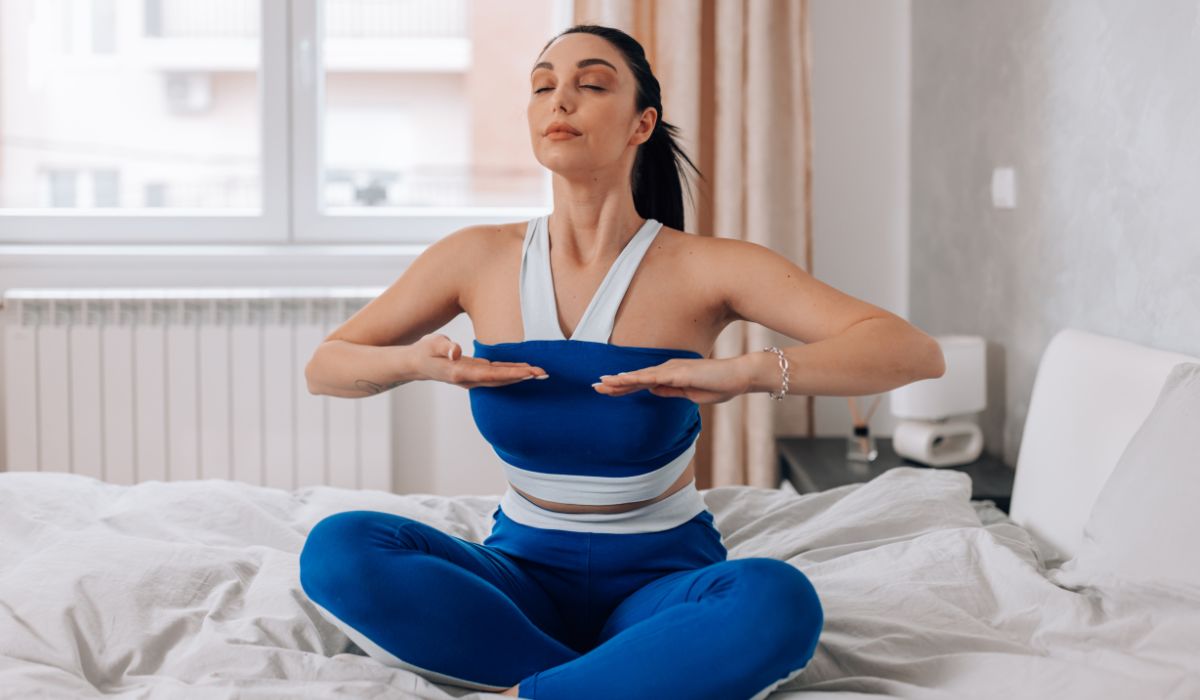


If you’ve been feeling anxious lately, you’re not alone. Anxiety is incredibly common—affecting over 40 million adults in the U.S. each year, according to the Anxiety & Depression Association of America. Whether it’s general worry, social anxiety, or something more intense, anxiety and stress can show up in ways that feel overwhelming, even crippling. But here’s the good news: simple, effective coping skills can make a significant difference in how you manage anxiety.
In this friendly guide, we’ll walk through coping strategies for anxiety that don’t rely on medication and can help you feel calmer and more in control—starting today.
Here’s a quick look at what we’ll cover:
- How to manage anxiety without medication
- What to do when anxiety feels overwhelming
- A go-to anxiety coping skills list
- When to seek professional help—and how therapy can support you
If anxiety is affecting your mental health, know this: you can learn to manage it. Let’s explore what might help you feel better—step by step.
Not sure where to begin with therapy?
You don’t have to figure it out alone. Let’s talk through what you’re experiencing and explore whether we’re a good fit.

How to Manage Anxiety Without Medication
Let’s start with this: there’s absolutely no shame in taking medication to treat an anxiety disorder. For many people, it’s a life-changing part of their journey. But if you’re feeling like you want to try other options first—or alongside medication—there are powerful, science-backed ways to deal with anxiety naturally.
Many people find that small shifts in mindset, lifestyle, and daily habits can make a meaningful impact. In fact, research shows that regular physical activity can be just as effective as some medications for mild to moderate anxiety and depression—thanks to the release of feel-good chemicals like endorphins.
Additional Reading: You can also read Can Exercise Improve Mental Health?
Coping strategies for anxiety you can try:
- Breathing exercises like deep breathing to calm anxious thoughts
- Gentle yoga, muscle relaxation, or stretching to soothe physical tension
- Mindfulness and meditation to help you stay grounded in the present moment
- Keeping a worksheet or journal to track triggers and patterns
- Reducing caffeine and alcohol, both known to trigger or worsen anxiety
Adding even one of these techniques to your routine can help manage stress, build resilience, and help you feel more in control.
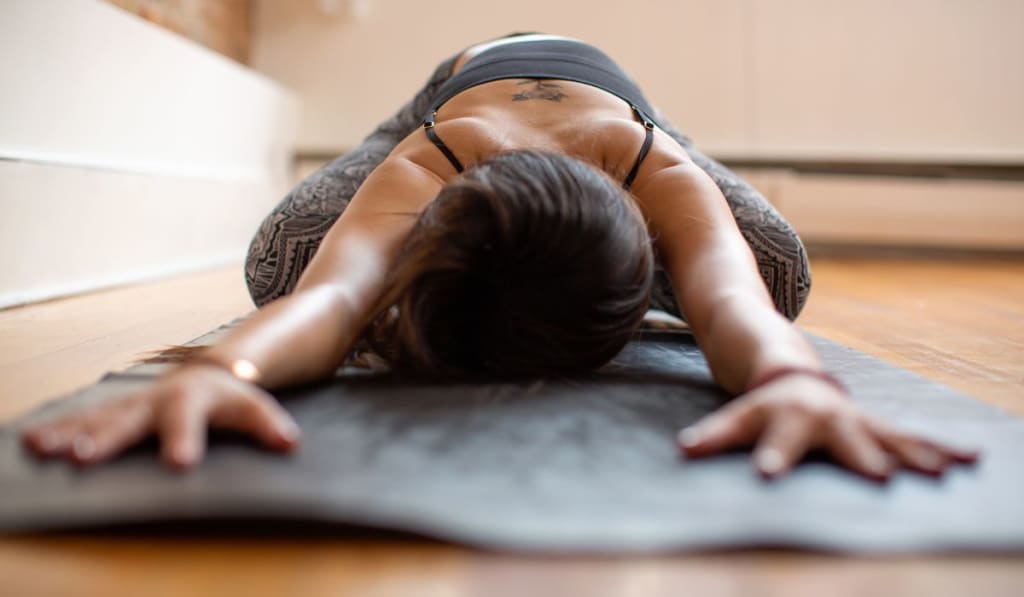
How to Deal With Crippling Anxiety When It Feels Like Too Much
When anxiety hits hard, it can feel like it’s taking over your whole body and mind. You’re not broken. Debilitating anxiety and panic can be overwhelming, but there are ways to soften the edges and help you feel better, even when it feels like too much.
Sometimes, the first step is simply to pause—and breathe. Your breath can be a powerful anchor when everything else feels chaotic.
Here are some gentle techniques to try when anxiety peaks:
- 5-4-3-2-1 grounding: Name five things you can see, four you can touch, three you can hear, two you can smell, and one you can taste. This brings you back to the present moment.
- Try a cold water splash or hold an ice cube—this sensory shift helps distract and ground you.
- Do a full body scan to reconnect with your physical health and notice where you’re holding tension.
- Use an app like Calm or Insight Timer for guided mindfulness or DBT-informed tools.
Additional Reading: You should also take a look at Finding Calm: Everyday Strategies for Anxiety Relief.
Even tiny acts of self-care—like getting enough sleep or gentle physical exercise—can build resilience over time. Step by step, you can begin to tackle your biggest stressors with compassion and strength.
Anxiety Coping Skills List You Can Try Today
Whether you’re dealing with everyday feelings of anxiety or navigating something more persistent like anxiety and depression, having a few go-to tools in your back pocket can make a difference. Below is a short, approachable anxiety coping skills list—some for right now, and some that help build long-term emotional strength.
Quick and Gentle Skills to Cope in the Moment
When powerful stress hits, try one of these:
- Deep breathing – Just a few slow, intentional breaths can calm your nervous system and help you feel less overwhelmed. Try breathing in for 4, holding for 7, out for 8.
- Naming your emotions – Saying “I’m feeling anxious” out loud or in a journal helps your brain process and articulate what’s happening.
- Progressive muscle relaxation – Tense and release each muscle group, one at a time. It’s simple and surprisingly effective.
Additional Reading: You might also want to read Feeling Anxious When You’re Apart? Let’s Talk About Separation Anxiety in Adults.
Everyday Habits That Build Strength Over Time
These are the kind of habits that support your mental health and make anxiety easier to manage overall:
- Physical exercise – Thebenefits of exercise for anxiety are well-documented. Even a 20-minute walk boosts endorphins and lowers tension.
- Connecting with others – Time with friends and family, a trusted caregiver, or even a support group can help you feel less isolated.
- Digital detox moments – Even short breaks from your phone or social media can give your mind the reset it needs.
Additional Reading: Learn the 7 Signs of High Functioning Anxiety You Shouldn’t Ignore.
If you’re not sure where to start, a healthcare professional or mental health services provider can guide you. And if an error occurred in your current routine—don’t worry. There’s always time to adjust and find what helps you feel better.
Worksheets, Tools & Techniques That Help You Cope
Sometimes when you’re feeling anxious, it’s hard to even know what’s going on inside your head. That’s where simple tools like worksheets, trackers, and journaling come in. These aren’t just feel-good exercises—they’re grounded in behavioral approaches like CBT and DBT, which are proven to help people cope with anxiety, stress, and mood changes.
Here are a few tips for coping using everyday tools:
- Use a worksheet to track anxiety triggers, thought patterns, and your responses. Over time, you’ll start to notice what sets you off—and what helps you reset.
- Create a “cope kit.” This can be a list (or actual box!) of things that soothe you—like calming music, affirmations, herbal tea, or essential oils. When anxiety spikes, it gives you something concrete to turn to.
- Try journaling or mood tracking. Write out how you’re feeling, what happened before, and what helped. This process gives your brain a safe release and increases self-awareness.
- Explore mindfulness tools. Apps that offer guided meditation, grounding exercises, or positive psychology prompts can be helpful for slowing your mind down.
Many licensed mental health professionals recommend these tools as a way to support therapy or simply help cope between sessions.

Dealing With Anxiety Disorder: When It’s More Than Everyday Stress
We all experience stress, nerves, or worry now and then. But when those anxious feelings start to interfere with your daily life—your work, relationships, or ability to rest—it might be more than just stress. You could be dealing with an anxiety disorder.
According to the National Institute of Mental Health, about 19% of U.S. adults live with an anxiety disorder each year. That’s a huge number—so if this sounds like you, know help is available.
Here’s how anxiety disorders differ from everyday stress:
- Symptoms may last for months or longer
- They often feel intense and hard to control
- You may avoid certain people or places out of fear
- Physical symptoms like fatigue, insomnia, or stomach issues are common
Additional Reading: You should also take a look at Feeling Exhausted? These 12 Stages of Burnout Could Explain Why.
While coping skills like journaling, breathing exercises, and the benefits of mindfulness can still be incredibly helpful, sometimes you need to take that next step and reach out for professional help.
That might mean:
- Talking to a licensed therapist or psychologist
- Exploring options like CBT, DBT, or medication (e.g., SSRIs)
- Asking your doctor for a referral to a mental health specialist

There’s no shame in asking for help—in fact, it’s one of the most courageous things you can do. Let someone know how you’re feeling. Connect with others and feel supported in your healing. You don’t have to carry it all by yourself—and you don’t have to figure it out alone.
Looking for Ongoing Support? I’m Here When You’re Ready
If anxiety is something you’re struggling with, I’d love to support you. I offer a warm, grounded space where you can feel safe, seen, and supported—without judgment. Together, we’ll explore what’s beneath the anxiety, uncover triggers (e.g., past experiences, stressors), and build long-term tools to help you feel more in control.
You can learn to manage and overcome anxiety. If you’re ready, get in touch. Anxiety therapy can be a powerful step forward.