
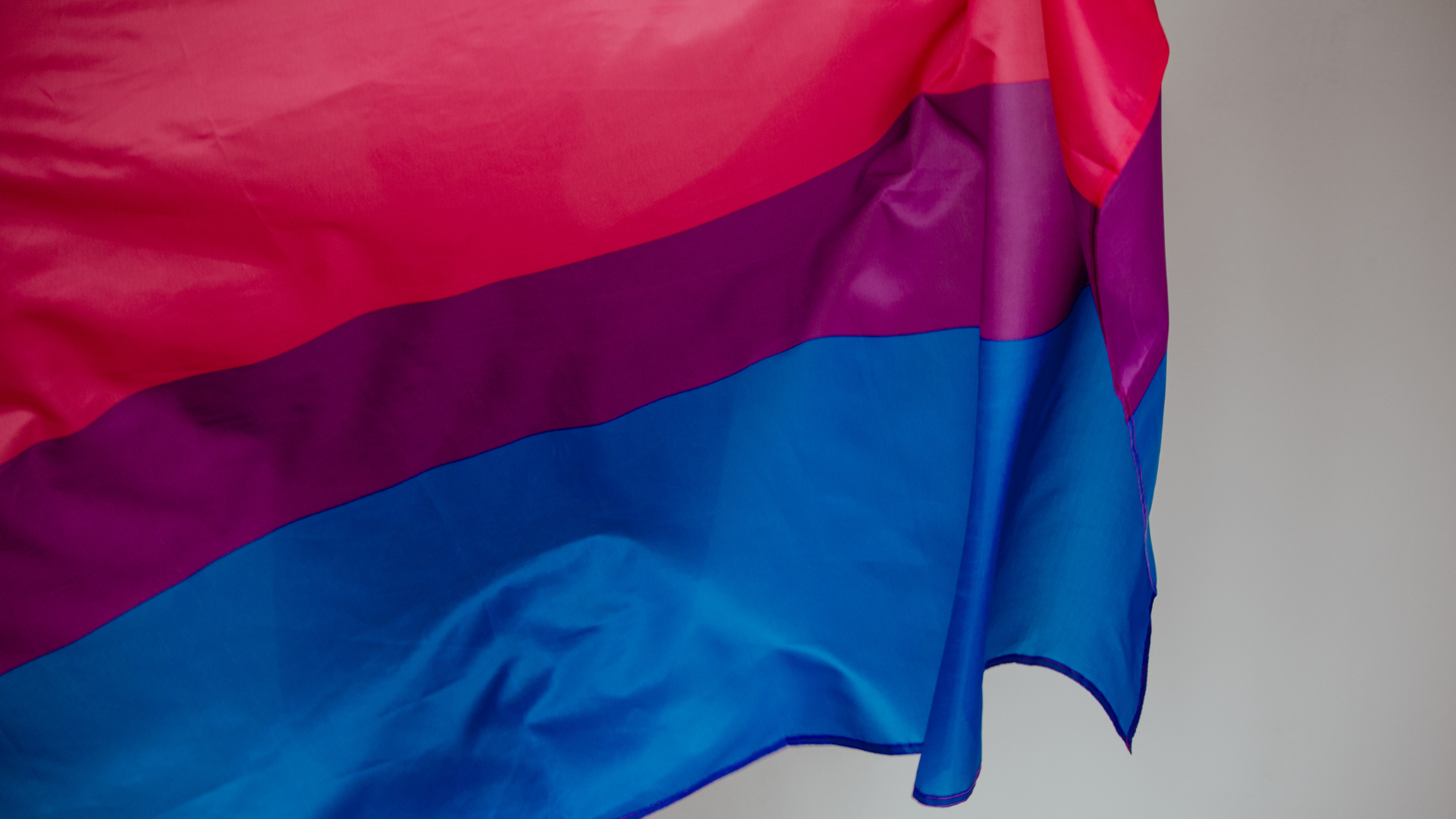


Bisexuality is the single most common identity under the LGBTQIA+ umbrella. According to Gallup’s most recent national survey, bisexual adults make up 58.6% of all LGBTQ+ Americans, roughly 5.3% of the entire adult population. That’s millions of people navigating a question I hear often in my practice: how can I be attracted to more than one gender, yet only ever fall in love with one?
If that question sounds familiar, you might be heteroromantic bisexual (sometimes written as heteromantic bisexual; both spellings describe the same thing). It’s a way of describing an experience where your sexual attraction and your romantic attraction point in different directions. You might be sexually attracted to multiple genders while your heart, your romantic pull, consistently lands on people of a different gender than your own.
Here’s something worth saying plainly: there’s nothing confusing or contradictory about this. It’s a real, valid, well-documented pattern of human attraction, and understanding it can bring a lot of relief to people who’ve spent years wondering what’s “wrong” with them. Nothing is wrong with you. You’re just experiencing attraction the way a significant number of bisexual people do.
In this article, we’ll explore:
A Gentle Place to Start
Download our free LGBTQIA+ Mental Health Toolkit—a supportive resource to help you check in with your mental health, explore your identity, and care for yourself without pressure or judgment.
What Is Heteroromantic Bisexuality?
Understanding the nuances of human attraction can be complex, and heteroromantic bisexuality is a great example of how romantic and sexual attraction don’t always align.
A bi heteroromantic individual is sexually attracted to more than one gender but romantically attracted to a different gender than their own. This means they may form romantic relationships with someone of that different gender, while still experiencing sexual attraction toward various genders. You’ll see this identity spelled both “heteroromantic” and “heteromantic” online. Both refer to the same romantic orientation.
Romantic orientation involves emotional connection and affection, while sexual attraction refers to physical desire. They don’t always go hand in hand.
For example, imagine feeling a deep romantic connection with a partner of a different gender, but still finding yourself sexually attracted to people of other genders, too. That’s how many heteroromantic bisexual people experience attraction.
How Is Heteroromantic Bisexuality Different from Other Orientations?
A few related identities get confused with each other constantly. Here’s how they break down:
Identity | Romantic Attraction | Sexual Attraction |
|---|---|---|
Heteroromantic bisexual | A different gender than your own | Two or more genders |
Biromantic heterosexual | Two or more genders | A different gender than your own |
Heteroromantic homosexual | A different gender than your own | The same gender as your own |
Heteroromantic pansexual | A different gender than your own | All genders, regardless of identity |
Pansexuality means both romantic and sexual attraction to people regardless of gender. Asexuality typically means little to no sexual attraction, though romantic attraction can still be very much present.
Whether you land on heteroromantic bisexual, bisexual heteroromantic, or a label that doesn’t exist in any of my tables above, your experience gets to be described in whatever words fit best. Labels are tools, not cages.
What does heteroromantic mean?
Heteroromantic means experiencing romantic attraction toward a gender different from your own, regardless of your sexual attraction. It describes the romantic side of attraction specifically, separate from sexual orientation.
Understanding the Split-Attraction Model
The framework behind all of this is called the split-attraction model, and it’s worth knowing the actual concept because it explains so much. The split-attraction model separates romantic attraction from sexual attraction instead of assuming they’re a package deal. It originated within the asexual and aromantic communities, where people needed language to describe wanting romance without sex, or sex without romance, and it’s since become useful far beyond that community.
Under this model, your romantic orientation (who you fall for) and your sexual orientation (who you desire) are tracked separately. A person can be biromantic and homosexual, panromantic and asexual, or heteroromantic and bisexual, like the identity we’re talking about here. None of these combinations are unusual once you understand that attraction isn’t one single dial.
A study in the Archives of Sexual Behavior found that 74% of asexual individuals still reported experiencing romantic attraction, a clear demonstration that sexual and romantic feelings genuinely operate on separate tracks for a lot of people. If you’ve felt like your attractions don’t fit into the neat single-word categories most of us grew up with, that’s not a personal failing. It’s the split-attraction model in action.
Romantic vs. Sexual Attraction: Why They Don’t Always Align
Defining Romantic and Sexual Attraction
Romantic attraction is the emotional pull toward someone. It’s what makes you want closeness, affection, and a relationship with them.
Sexual attraction is physical desire, the pull toward sexual intimacy.
These can move independently. You can feel deep romantic feelings for someone with zero sexual desire attached, or feel sexual attraction without wanting anything romantic. Neither pattern is more “real” than the other.
Variations in Attraction
Heteroromantic bisexual people experience romantic attraction toward a different gender than their own, while their sexual attraction spans multiple genders.
Other combinations exist too. Some people feel both romantic and sexual attraction toward all genders. Others experience sexual attraction with little to no romantic pull, or the reverse.

Experiences of Heteroromantic Bisexual Individuals
For people living this identity day to day, it often looks like:
Forming a deep, committed romantic relationship with a partner of a different gender
Continuing to feel real sexual attraction to other genders, even while in that relationship
Occasionally fielding confused questions from partners, friends, or family who assume the relationship “settles” the question of their sexuality
That last one matters. A relationship doesn’t erase an orientation. It just reflects where the romantic side of your attraction happened to land.
Diversity of Experiences
It’s important to recognize that experiences of attraction are diverse. Some people prioritize romantic attraction, seeking deep emotional connections. Others emphasize sexual attraction, focusing on physical desire. Understanding these distinctions allows for a more inclusive perspective on human sexuality and relationships.
Is it possible to be bisexual but heteroromantic?
Yes. Bisexuality describes sexual attraction to more than one gender, while heteroromantic describes romantic attraction to a different gender than your own. The two operate independently, so having both isn’t a contradiction.
Heteroromantic Bisexuality Across Gender Identities
Most articles about this topic default to picturing a bisexual woman in a relationship with a man. That’s a real and common experience, but it’s far from the only one, and leaving out the rest does a disservice to a lot of people reading this.
Heteroromantic Bisexual Men: An Underrepresented Experience
Bisexual men face a specific kind of skepticism that bisexual women often don’t. There’s a persistent, harmful stereotype that bisexual men are “really gay” and using bisexuality as a stopover, and that stereotype gets even louder when a bisexual man is in a relationship with a woman. I’ve worked with men who felt like they had to “prove” their bisexuality to people who didn’t believe it was real, which is an exhausting and unfair position to be put in.
If you’re a heteroromantic bisexual man, your romantic attraction to women doesn’t make your attraction to men any less genuine. Dating anxiety, the fear of being doubted or dismissed, is common here, and it’s a completely reasonable response to a culture that hasn’t caught up yet.
Non-Binary and Gender-Diverse Perspectives
The word “heteroromantic” gets trickier, in a good way, when we bring non-binary identity into the picture. For a non-binary person, heteroromantic typically means romantic attraction to a gender different from their own, which opens up a much wider range of possible relationships than the traditional “opposite sex” framing most people default to.
I work with a lot of non-binary and gender-diverse clients who feel erased by bisexual content that only pictures cisgender women and men. Your experience of heteroromantic bisexuality is just as valid, even when it doesn’t fit the illustrations most articles use. This is actually one of the areas where gender-affirming therapy makes the biggest difference, because so much of this work is about finding language and support that actually reflect who you are instead of forcing your experience into someone else’s template. If you want to go deeper into gender identity outside the binary, I’ve also written about demigender identity, which touches on some of the same “why doesn’t this fit the usual categories” questions.
Common Misconceptions About Bi-Heteroromantic Identity
Aren’t You Just Straight?
This is the one I hear most. Because a bi-heteroromantic person pursues romantic relationships with a different gender, people assume they’re simply heterosexual. But bisexuality isn’t only about who you date. It includes both the emotional side, the desire for romantic relationships, and the physical side, sexual attraction to multiple genders. Choosing an opposite-gender partner for romance doesn’t undo the second part.
Does This Mean You’ll Only Date People of the Opposite Sex?
Not necessarily, and even when it does play out that way, your bisexual identity isn’t defined by your current relationship status. It’s defined by the capacity for attraction itself. Dating one gender doesn’t negate attraction to others.
Is Heteroromantic Bisexuality Even Valid in the Queer Community?
This one deserves a real answer, so I’ve given it a full section below, because it’s genuinely one of the most searched questions about this identity, and it deserves more than a quick dismissal.
What is heteroflexible bisexuality?
Heteroflexible describes someone who’s primarily heterosexual but occasionally experiences attraction to the same gender, without identifying as fully bisexual. It’s often described as “mostly straight.” It differs from heteroromantic bisexuality, where the sexual attraction to multiple genders is a stable, core part of identity rather than an occasional exception.
Navigating Queer Spaces When Your Relationships Look Straight
Here’s a genuinely hard part of this experience: when your romantic relationship is with a different gender, it often reads as “straight” to the outside world. That’s sometimes called straight-passing, and it comes with real, complicated feelings.
You might feel like you’re not “queer enough” to belong in LGBTQIA+ spaces, even though your attraction is very real. You might face bisexual erasure, where people assume your identity disappeared the moment you partnered up. Both of these experiences are common, and both are a form of biphobia, even when it comes from inside the community itself rather than outside it. Research backs up just how common this feeling is: a Pew Research study found that only 28% of bisexual people are open about their orientation with the important people in their lives, compared to 77% of gay men and 71% of lesbians.
A few things I remind clients of often:
Your identity doesn’t require anyone else’s approval to be real
Queer community belonging isn’t about who you’re currently dating
Straight-passing privilege is real and worth acknowledging, but it doesn’t cancel out the internal experience of bisexuality or erasure
You’re allowed to take up space in queer community even when your relationship doesn’t visually signal it
None of this is easy to sit with alone, and it’s one of the reasons LGBTQ+ affirming therapy exists: to give you a space where nobody questions whether your identity counts.
Navigating Relationships as a Heteroromantic Bisexual Person
How to Communicate Your Orientation to Partners
Coming out to a partner, friend, or family member about being heteroromantic bisexual can feel like a big moment. A few things that help:
Reflect first. Get clear with yourself on what this identity means to you before you try to explain it to someone else.
Pick a private, low-pressure moment. Not mid-argument, not in front of other people.
Keep it simple. Something like, “I experience romantic attraction to people of a different gender than mine, but I’m also sexually attracted to more than one gender,” goes a long way.
Let them ask questions. Curiosity is usually a good sign, not a threat.
Offer reassurance where it’s true. If your attraction to them is genuine, say so. Sharing this part of yourself doesn’t diminish what you feel for them.
What is a flexisexual?
Flexisexual is an informal term for someone whose sexual attraction is mostly fixed on one gender but who remains open to attraction outside that under certain circumstances. It’s similar to heteroflexible or homoflexible, and it’s more about flexibility within a primary orientation than a distinct identity of its own.
Dating While Being Heteroromantic Bisexual
Dating brings its own dynamics. You might have to gently correct people who assume your relationship with a different-gender partner means you’re no longer bisexual. According to Psychology Today, bisexual people often face specific relationship stereotypes, including doubts about their ability to be monogamous, doubts that have no real basis. Being open about your identity and connecting with the LGBTQ+ community, even while in a relationship that reads as straight, tends to help.
Relationship Structures: Monogamy, Polyamory, and Everything Between
There’s no single relationship structure that fits every heteroromantic bisexual person. Some build fully monogamous partnerships and feel completely at peace with that. Others find that a non-monogamous or polyamorous structure lets them honor both the romantic and sexual sides of their attraction more fully.
Mental Health, Identity Stress, and Finding Support
I’d be leaving out something important if I didn’t talk about the mental health side of this. Bisexual people, across the board, face measurably higher rates of depression and anxiety than gay, lesbian, or heterosexual people. The Human Rights Campaign reports that bisexual adults experience double the rate of depression compared to heterosexual adults. A 2025 study out of Vanderbilt, covered by the Association for Psychological Science, found that bisexual people experience substantially higher depression, anxiety, and suicidality than gay and lesbian people, even within the broader LGBTQIA+ community.
Part of what drives this is minority stress, the chronic, cumulative stress of navigating a world that wasn’t built with your identity in mind. Part of it is internalized biphobia, where the negative messages you’ve absorbed about bisexuality turn inward and become internalized homophobia directed at yourself. Both are real, both are common, and neither one is a reflection of anything being wrong with you.
Coping With Identity-Related Stress and Internalized Stigma
Name the stigma out loud, even just to yourself. “That’s internalized biphobia talking” is a genuinely useful sentence to have on hand.
Journal about where the doubt comes from. Most of it traces back to a specific comment, a specific person, a specific moment. Naming the source takes away some of its power.
Find a bisexual-specific community, not just broader LGBTQ+ spaces. Bi-specific groups exist because bi-specific experiences, like the ones in this article, are genuinely distinct.
Practice a simple self-affirmation. Something as plain as “my attraction is valid regardless of who I’m dating” can interrupt a spiral before it builds.
Talk to someone who won’t need convincing. A good therapist shouldn’t need you to justify your own identity to them.
If any of this is sitting heavy, please know that support exists, and you don’t have to sort through it solo.
Find Clarity and Confidence in Your Identity. Let’s Navigate This Together
Understanding your romantic and sexual identity can be exciting and a little overwhelming at the same time, sometimes both in the same week. As a gender-affirming therapist and LGBTQ advocate, I offer a judgment-free space to work through what heteroromantic bisexuality means for you specifically, because it’s not a cookie-cutter experience.
Whether you’re questioning, working through relationship dynamics, or just tired of explaining yourself to people who don’t get it yet, here’s what we can do together:
Explore your romantic and sexual identity without judgment
Work through relationship or self-acceptance challenges
Build genuine confidence in expressing who you are
Address past experiences that still shape how you see your identity today
You don’t have to sort this out by yourself. Reach out today, and let’s talk.


